
Expert Dirt Work Contractors in Grande Prairie Excavation and Grading Across Canada
Updated: Jul 25
Good dirt work is easy to overlook because the finished surface hides most of the effort. Yet excavation, grading, compaction, and drainage often decide whether a site stays stable through spring thaw, heavy rain, freeze-thaw cycles, and years of use.
In Grande Prairie, AB, those conditions matter. Northern Alberta sites can face clay soils, frost movement, seasonal runoff, and short construction windows. Across Canada, the details change by region, but the goal stays the same: shape the ground correctly before anything permanent goes on top of it.
Our dirt work services focus on practical site preparation, including excavation and dirt grading for residential, commercial, industrial, agricultural, and civil projects. We work from Grande Prairie and serve major cities across Canada, bringing the same disciplined approach to each job: plan the cut and fill, manage water, build stable grades, and leave the site ready for the next phase.

What dirt work contractors do before construction begins
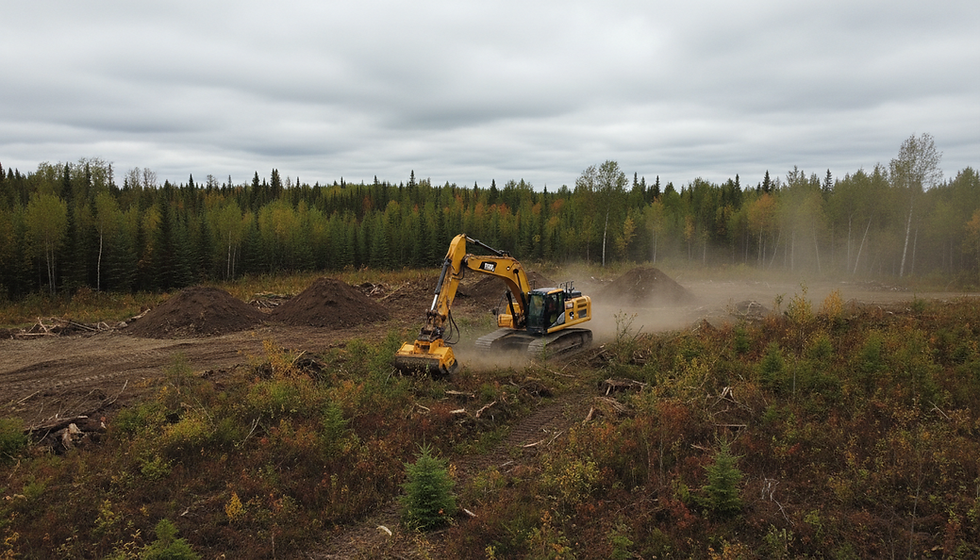
Dirt work covers the ground preparation that supports buildings, roads, yards, pads, utilities, drainage features, and access routes. It includes moving earth, cutting high areas, filling low areas, shaping slopes, removing unsuitable material, and preparing subgrades for future construction.
A reliable contractor does more than run equipment. Good dirt work requires:
Reading site plans and grade stakes
Understanding how water will move
Separating unsuitable soil from usable fill
Building stable layers with proper compaction
Protecting nearby improvements, utilities, and access points
Keeping the site safe and workable
The Canadian Construction Association and provincial construction guides commonly stress that site preparation affects schedule, cost, and final quality. That is because problems below grade often become expensive after concrete, pavement, buildings, or landscaping are already in place.
For example, a driveway built over soft organic material may settle. A building pad with poor drainage may hold water near the foundation. A yard graded toward a structure may create ice, ponding, and water intrusion risks. Dirt work handles these issues before they become repair work.
Excavation builds the foundation for every next step
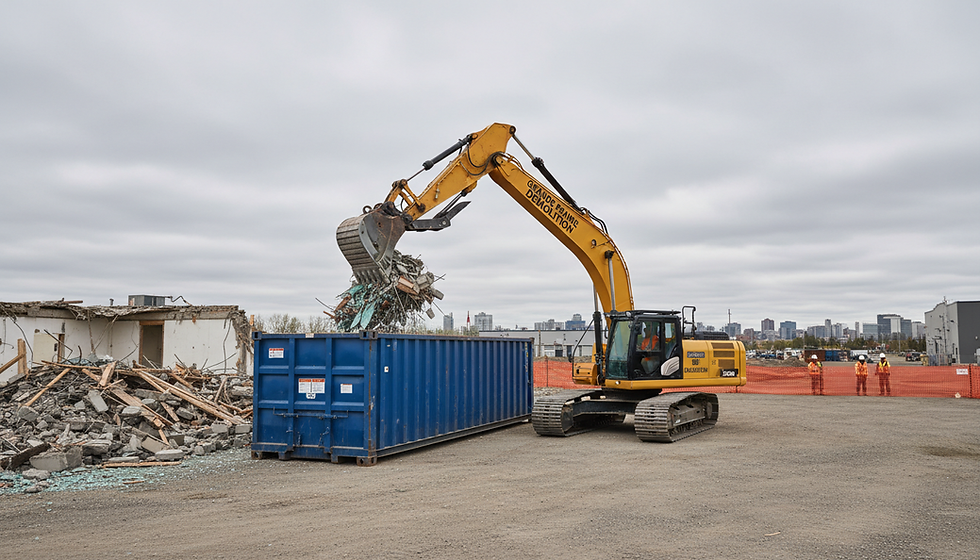
Excavation is the controlled removal of soil, rock, clay, gravel, or unsuitable material. It may look simple from the outside, but the best excavation work follows a plan. Depth, slope, access, spoil placement, haul routes, and safety all matter.
Common excavation services
Our excavation work can support a wide range of project types, including:
Building pads and site preparation
Basement and foundation cuts
Trench excavation for utilities
Road and driveway preparation
Drainage swales and ditches
Culvert preparation
Pond and dugout excavation
Industrial yard preparation
Farm and acreage site work
Removal of soft or unsuitable soils
In Grande Prairie and many parts of Western Canada, soils can vary across the same property. A site may include topsoil, clay, sand, gravel pockets, organics, or wet low areas. Because of that, excavation is not only about reaching a target depth. It is also about knowing when the material at that depth is suitable for what comes next.
Why excavation planning matters
An excavation plan helps reduce wasted time and rework. It answers basic questions before equipment starts moving:
Where will cut material go?
Can any material be reused as fill?
Does the site need imported gravel or structural fill?
How will equipment access the work area without damaging finished sections?
How will rain or snowmelt be managed during the job?
The Occupational Health and Safety rules used across Canadian provinces also treat excavation and trenching as high-risk work. Cave-ins, buried utilities, unstable slopes, and water infiltration can create real hazards. Safe excavation means locating utilities, using proper slopes or protective systems when required, and keeping heavy equipment away from unsupported edges.
That safety work protects people first. It also protects schedules.

Dirt grading controls water, elevation, and long-term performance
If excavation creates the rough shape, grading fine-tunes the land. Dirt grading adjusts surface elevations so the site drains correctly, supports the intended use, and meets the design.
That can include rough grading, final grading, slope shaping, pad grading, road grading, yard grading, and regrading problem areas.
When someone searches for dirt work contractors near me, dirt work companies near me, dirt grading near me, they are often dealing with one of three problems: water sits where it should not, the site is uneven, or the ground is not ready for construction. Grading addresses all three.
What good grading looks like
Good grading is visible after a storm. Water should move away from structures and toward approved drainage paths. Finished grades should not create low pockets that collect water. Access roads and working yards should shed water instead of becoming soft, rutted, or icy.
A graded site should also match the next construction step. A gravel pad needs a different surface than a landscaped yard. A shop pad needs different tolerances than an agricultural laneway. A commercial lot may need tighter grade control because pavement, curbs, drainage inlets, or heavy vehicle traffic are part of the design.
Why drainage is part of grading
Water is one of the main forces that damages poorly prepared sites. Freeze-thaw cycles make the issue worse in Canadian climates. Water enters weak areas, freezes, expands, thaws, and moves soil. Over time, that can lead to heaving, soft spots, settlement, erosion, and cracking in surfaces built above it.
The National Building Code of Canada includes drainage principles around buildings, and local municipalities often set grading requirements for lots, driveways, and drainage connections. The exact requirements vary by location, but the principle is consistent: water should be directed away from structures and controlled before it causes damage.
That is why our grading work focuses on both elevation and flow. The question is not only “Is the ground level?” The better question is, “Will this grade work after weather, traffic, and time?”
The dirt work process from first walk-through to finished grade
Every site is different, but a professional dirt work process usually follows a clear sequence. That sequence helps avoid guesswork and keeps the work tied to real site conditions.
Step | What happens | Why it matters |
Site review | The crew looks at access, drainage, soil, slopes, nearby structures, and work limits. | Early site review helps spot problems before equipment arrives. |
Scope planning | The work area, cut and fill needs, haul routes, and equipment needs are defined. | Clear planning reduces delays and unnecessary material movement. |
Excavation | Soil is removed, shaped, loaded, or relocated according to the plan. | Accurate excavation prepares the site for proper base work. |
Grading | The surface is shaped to the required elevations and slopes. | Grading controls drainage and improves usability. |
Compaction | Fill is placed and compacted in suitable layers when required. | Compaction reduces settlement and strengthens the finished surface. |
Final check | Grades, drainage paths, and general site readiness are reviewed. | A final check helps confirm the site is ready for the next trade or use. |
This process can be scaled. A rural driveway may need a simpler version. A commercial pad or industrial yard may need survey support, material testing, and closer coordination with engineers or municipal inspectors.
The key is matching the method to the risk. A low-use farm access road does not need the same treatment as a loaded industrial yard. A foundation pad needs more control than general landscaping. Good dirt work contractors make that distinction early.
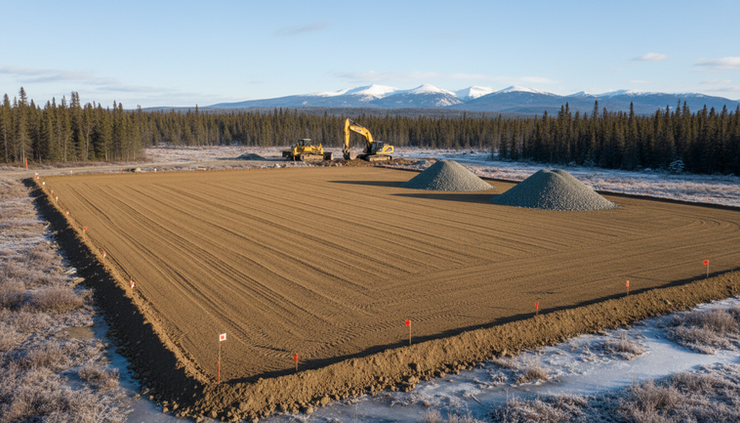
Serving Grande Prairie and major cities across Canada
Grande Prairie is a practical home base for dirt work because the region includes a wide mix of construction needs. Acreages, farms, commercial lots, industrial sites, road access, yards, drainage improvements, and new building sites all require strong ground preparation.
The conditions in northern Alberta also sharpen the need for reliable dirt work. Sites may need to handle:
Spring melt and runoff
Heavy summer rain
Frost movement
Clay or mixed soils
Remote access
Large equipment traffic
Long gravel drives or industrial yards
We also serve major cities across Canada, bringing excavation and grading support to projects that need experienced dirt work crews. Larger urban and regional projects may involve different access limits, permit requirements, trucking plans, and site constraints, but the fundamentals stay the same. The ground must be shaped, drained, compacted, and prepared with care.
Across Canada, local rules can affect grading, drainage, haul routes, working hours, erosion control, and utility work. We plan around those requirements and coordinate with the right project contacts so the dirt work fits the larger build.
Where dirt work saves money later
Dirt work is one of the most cost-sensitive phases of a project because mistakes can hide until later. A low bid that skips proper preparation may look attractive at first, then create larger costs after the site is built.
Here are common examples:
Poor drainage near a building
Water collects near the foundation or slab edge. Over time, this can contribute to moisture issues, frost movement, or erosion.
Soft spots in a yard or road
Unsuitable material remains under the surface. Heavy traffic pushes the weak area down, creating ruts, holes, and ongoing maintenance.
Wrong slope on a driveway
Water crosses the drive instead of moving off it. In winter, that can lead to ice and washouts during thaw periods.
Uncontrolled fill placement
Fill is dumped too thick or not compacted as needed. The surface may settle unevenly after the next phase is complete.
No drainage path
The site looks fine when dry, but the first major rain reveals ponding, erosion, or water flowing into the wrong area.
Fixing these problems later usually means removing finished surfaces, hauling in new material, regrading, recompacting, or rebuilding. It is almost always better to get the earthwork right the first time.
Choosing a dirt work contractor for excavation and grading
The best contractor for a dirt work project should be able to explain the plan in plain language. Listen for practical answers, not vague promises.
Good questions include:
What soil conditions do you expect on this site?
Where will excess material go?
How will drainage be handled?
What material needs to be removed or imported?
How will you protect access during the job?
Will the grade be ready for the next phase of construction?
What could change once excavation begins?
A strong contractor will not pretend every site is predictable. Soil changes, buried debris, wet areas, and weather can affect the work. The difference is how those issues are handled. Clear planning, proper equipment, and honest communication help keep surprises manageable.
Experience also matters. Dirt work for an acreage, a commercial yard, a road approach, or an industrial pad may use similar equipment, but each job has different priorities. A contractor should understand the end use of the site before shaping the ground.
FAQ
What is the difference between excavation and grading?
Excavation removes or relocates soil to create space, depth, or rough shape. Grading shapes the surface to the right elevation and slope. Many projects need both.
Do I need dirt grading before pouring concrete or building a pad?
In most cases, yes. Concrete, gravel pads, and building areas need stable support and proper drainage. Grading helps create the right surface before the next material is placed.
Can dirt work be done during winter in Canada?
Some dirt work can be done in winter, but frozen ground, snow, frost, and access conditions can affect cost and schedule. The best timing depends on the site, soil, and project type.
How do I know if my site has drainage problems?
Common signs include standing water, ruts, erosion channels, soft ground, ice buildup, water flowing toward buildings, or repeated washouts after rain. A site walk-through can identify likely causes.
Do you serve areas outside Grande Prairie?
Yes. We provide dirt work services in Grande Prairie and support projects in major cities across Canada, including excavation, grading, site preparation, and related earthwork.

Build on ground that is ready for the job
Excavation and grading set the conditions for everything that follows. When the dirt work is planned well, water moves correctly, surfaces hold up better, and the next phase starts with fewer problems.
From Grande Prairie to major Canadian cities, our focus is practical earthwork done with care: cut what needs to be cut, fill what needs support, shape grades that drain, and prepare the site for real use. Whether the project is a driveway, yard, pad, trench, acreage, commercial lot, or industrial site, the same rule applies.
Good construction starts with good ground.

Comments